
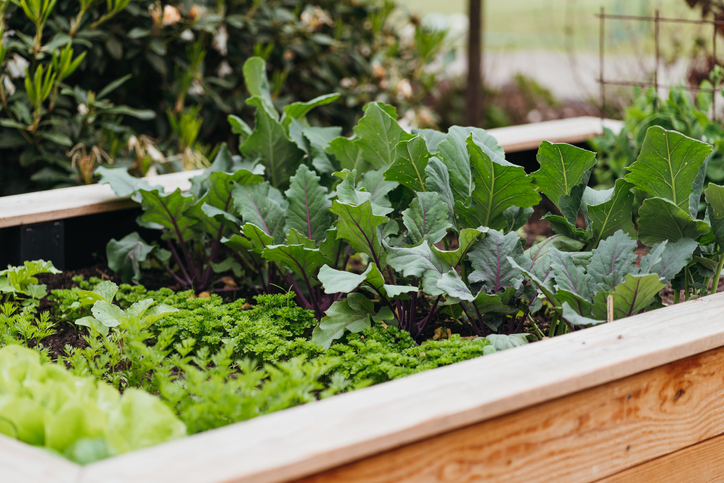
Starting a vegetable garden is a lot easier than you might imagine. Many vegetables and most herbs will grow in anything from a small pot to a raised bed on your patio or a plot in the yard. While spring is the tradition time to start a vegetable garden there are many vegetables that can be grown during the winter months as well. Learn about Planting a Winter Vegetable Garden.
Before you begin you may want to make a plan for your vegetable garden. If you’re going to start growing this year, consider plants that give you the benefits of good health.
Health Benefits of Spring/Summer Vegetables
Fresh vegetables and herbs containing disease fighting nutrients are so plentiful it would be impossible to share all of them here. Starter vegetables can be found in garden centers from spring through summer. I’ve chosen a few that are full of benefits and also easy to grow almost anywhere. If you’ve found this information in the fall it might be too late for summer crops, but you can grow some vegetables right through winter. Check back for an update on Planting a Winter Vegetable Garden – Coming Soon!
Tomatoes: Tomatoes are one of the best “vegetables” to start with because there are very easy to grow in a pot, plot or even as a hanging plant. Technically a fruit, tomatoes are full of lycopene and lutein, antioxidants which help remove free radicals from our system. Full of vitamins A and C and folic acid, tomatoes and their products have been touted for their cancer-fighting capabilities.
Squash: There are many varieties of squash which grow heartily in California. Summer squash are excellent sources of anti-inflammatories like vitamin C and beta-carotene. The nutrients in squash such as zucchini can help treat asthma and arthritis, help promote eye health and bruising.
Kale: Omega-3 fatty acids, more vitamin C than an orange, vitamin K, vitamin a (folate), vitamin B and potassium kale is a nutritional powerhouse. Kale also contains protein, fiber and even calcium. Kale helps to fight inflammation, depression, can improve blood glucose control in diabetics and, in case you haven’t heard lately, is one of the healthiest foods on the planet.
Hot Peppers: Peppers are packed with vitamins C, B and E. Hot peppers, such as cayenne and jalapeno contain nutrients with the power to fight inflammation and obesity, capsaicin. Capsaicin quickens your metabolism and suppresses hunger signals from the brain. This component which gives peppers their heat have been shown to cut discomfort from arthritis protecting cells and reducing inflammation. One of the most incredible benefits from capsaicin is it’s role in fighting cancer. In the lab this spicy chemical has killed cells linked to over 30 types of cancer. It’s important to handle hot peppers carefully from the time you harvest through the cooking process to avoid injury to your skin and eyes. Check back for more information on harvesting your crops later this summer.
Celery: Celery is full of fiber, low in calories and a staple in many meals. Celery contains phthalides a natural diuretic. Phthalides support the circulatory system, and can help to reduce high blood pressure.
Bell Peppers: One red bell pepper provides twice your recommended vitamin C, are an excellent source of vitamin B6, which is used by your body to help regulate metabolism and to enable the cells in your brain to communicate with one another.
These are just some of the things you can grow at home. Your local garden center has experts who can help you select the right plants for your home garden. Before you begin, however, make a plan for your vegetable garden.
Health Benefits of Winter Vegetables
It’s never too early to think ahead. While you’re planting for spring and summer take some time to plan for the vegetables you’ll replace your summer harvest with a Winter Garden Plan.
Here are just some of the benefits of winter vegetables:
Beets: Beets are rich in fiber, manganese, folate and antioxidants. Nitrates in beets have been proven to improve lung function, strengthen muscular contraction and raise exercise tolerance. Due to their high folate content beets increase hemoglobin, improve circulation and provide a healthy quantity of iron and vitamin C.
Onions: High in vitamins, minerals, antioxidants onions have demonstrated to have the ability to prevent several diseases. With more than 25 flavonoids, including quercetin and anthocyanins onions have been linked to a reduced risk of heart diseases and diabetes and even fight some cancers.
Carrots: Carrots include significant amounts of beta carotene potassium, magnesium and vitamins A,C,E and K. They are famous for improving vision and their high fiber content is key for enhancing the digestive system.
Kale: Considered one of the most nutrient dense vegetables on the planet kale overflows with the daily values of vitamins A, K and vitamin C and is full of antioxidants such as lutein and beta-carotene.
Collard Greens: A great source of calcium, vitamins B9 (folate), C and A they are also one of the best sources of vitamin K. Vitamin K is known for improving bone health a vital component to reducing fractures as we age.
There are so many benefits to leafy greens and root vegetables and growing your own at home means you will get the maximum nutrition value from them all.
In our Healthy Eating section we’ll share recipes for meals and preserves you can make from your vegetable and herb patches.
If you’ve benefitted from a long season of successful vegetable gardening. Learn How to Store Your Summer Harvest here…
 gdba
gdba 