
Prepare for Winter Crops
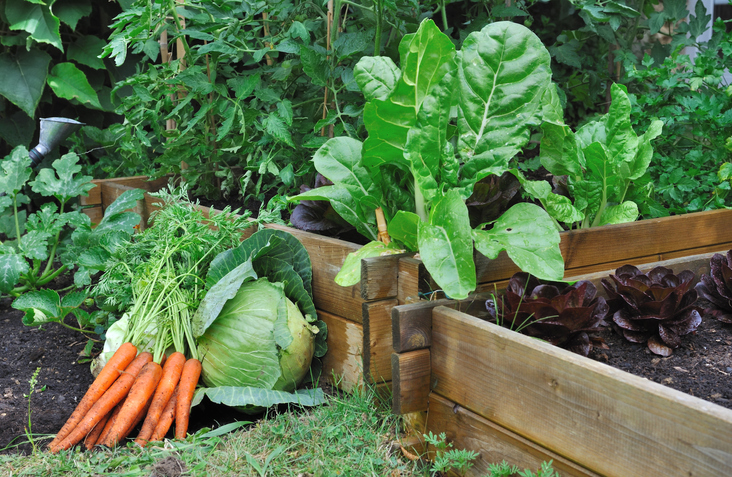
Once summer crops are harvested and the canning is done it’s the perfect time to plan for winter in the garden. The Northern California climate affords us the opportunity to sow the seeds for an abundant and continuing harvest of salad and root crops that you can enjoy throughout the winter months.
How to Prepare Your Garden for Winter
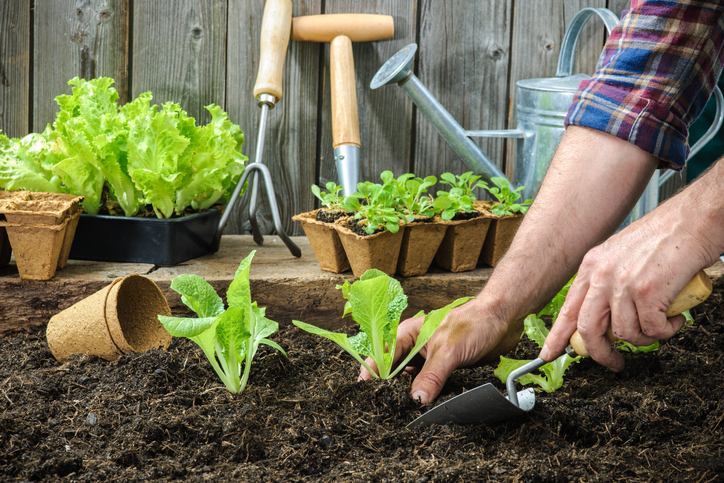
Start by removing any leftover roots, grasses and weeds from your summer patch. Next turn the l soil and amending it with compost. With talk of another “El Nino” on its way you’ll want to check that your containers and raised gardens have sufficient drainage. A layer of stone around your beds, or in the bottom of your large plants will help to prevent puddling that can rot vegetables. Amend the soil again before planting and add an organic fertilizer just after planting time. That’s usually enough to carry your plants through the winter.
October is a great time to plant in these mild areas because the heat of summer has passed, but the soil is still warm. The days are shorter, the sun’s intensity less, and there are fewer insects and diseases around to attack your plants. This allows cool weather seedlings and transplants the luxury of growing slow and strong to maturity. For the gardener, there’s less weeding, watering and care involved and more comfortable weather to work in. Weeds will germinate, but they will not grow strongly during the short days and are easy to remove. Moisture holds in the soil longer in fall so the garden requires less watering. There’s time to harvest plants as needed, knowing they will hold in the garden longer than if growing under high heat conditions.
What to Plant in your Winter Garden?
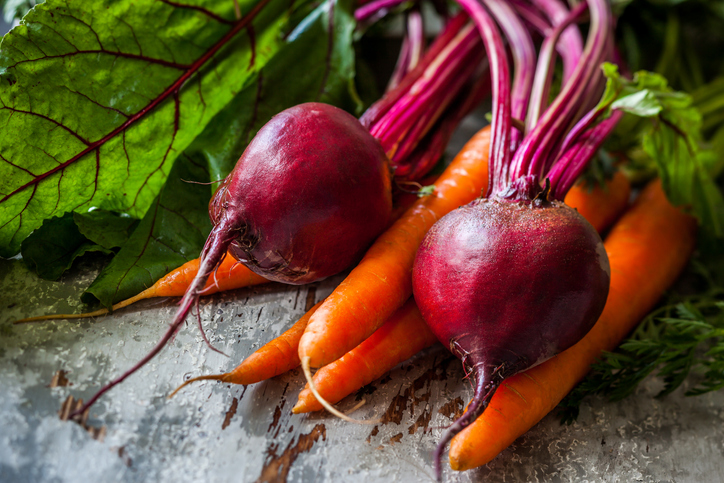
Winter is cool season crop time. Greens, such as arugula, spinach, collards, lettuce, Swiss chard, mustard and kale, thrive. Root crops, such as carrots, beets, onions and radishes, grow well. Brassicas, such as broccoli, cauliflower and cabbage, form large heads. Legumes, such as fava beans and peas, grow and flourish. All these cool loving vegetables have better flavor and texture than if you tried to grow them during the heat of spring or summer. Colorful carrot varieties can be sown in fall in zones 8 and 9 for a winter harvest. Choose varieties adapted to winter growing. Peas make a great fall crop. Snow peas are easier to grow than English peas because you don’t have to wait for them to fill out to eat.
Which crops to grow and the timing of planting in your specific area will depend on your location. In zone 7 gardens and the Pacific Northwest, greens are probably the best bet for an October planting. In zones 8 and 9, you have a broad palette of cool season crop options. Look for varieties adapted to your region and for winter planting (check out the resources listed at the end of this article). For example, ‘Winter Keeper’ beet, January King’ cabbage and ‘Royal Chantenay’ carrots are some varieties adapted to winter growing conditions.
Remember that nothing grows fast in cold temperatures. This means that cut-and-come again salad greens are gone once cut and replacement leaves are unlikely to appear. To avoid not having any greens after you cut scatter your greens by planting some now and waiting for 3 weeks or so to plant the next row. This may ensure that you will have plenty of greens to harvest throughout the winter.
Here’s a more detailed list of the vegetables that can be grown throughout the winter months:
Artichokes (planted from roots, not seed. )
Broccoli
Brussels sprouts
Cabbage
Cauliflower
Carrots
Chinese cabbage (Bok Choi)
Collard greens
Kale
Loose leaf lettuce: Ruby, Bibb, Salad Bowl, Green Ice
Peas and Sugar Snap
Onions
Radish
Rutabaga
Spinach
Turnips
Kale, collards and cabbages can usually be found as small plants in your garden center this time of year. If not, start the seeds in your garage or greenhouse until you have an established seedling to transplant. You may even see flowering cabbage and kale used in winter containers as decorations. While you can eat these they tend to have a very strong bitter taste. Colorful carrot varieties can be sown in fall in zones 8 and 9 for a winter harvest. Choose varieties adapted to winter growing.
Which crops to grow and the timing of planting in your specific area will depend on your location. In zone 7 gardens and the Pacific Northwest, greens are probably the best bet for an October planting. In zones 8 and 9, you have a broad palette of cool season crop options. Look for varieties adapted to your region and for winter planting (check out the resources listed at the end of this article). For example, ‘Winter Keeper’ beet, January King’ cabbage and ‘Royal Chantenay’ carrots are some varieties adapted to winter growing conditions.
Growing any of the leafy vegetables (such as spinach and lettuce) in containers placed on a wheeled plant stand can be a great idea. This way you can place them near the east, south or west wall of house and move them closer to the building and in to the sun, when it does appear. Slug control is also much easier in containers and the extra warmth of a house wall is also beneficial.
Health Benefits of Winter Vegetables
Growing your own vegetables and herbs is an excellent way to get the most nutrients in to your family meals. Learn the health benefits of winter vegetables in Planting Vegetables for your Health…
Preparing Your Winter Garden
Start your winter garden by turning the soil, removing perennial weeds and grasses, and amending it with compost. While winter rains are welcome in most mild winter areas, in cool damp winter areas such as Seattle, cool rains can mean plants rotting. Consider growing plants in raised beds. This will keep the soil well drained and help avoid water logging. Amend the soil before planting and add an organic fertilizer at or just after planting time. That’s usually enough to carry your plants through the winter.
Garden Maintenance
In most of these areas winter means regular rainfall, so watering is usually not an issue. Unless you’re in the Pacific Northwest, it’s still a good idea to mulch your plantings to preserve the soil moisture and keep the weeds away. In the Pacific Northwest, the abundant winter rains combined with consistently cool temperatures can lead to rot, slugs and snails. Mulching just makes it worse.
While most pests are not active in winter, cabbage worms and slugs are two that never seem to rest. Watch for cabbageworm droppings on your Brassica plants and spray Bt to control them at the first sign of their activity. Slugs and snails are a particular problem in cool areas. Protect raised beds with copper flashing. Slugs and snails don’t like touching copper. Add iron phosphate baits, such as Sluggo, around plants. Consider covering plants with a floating row cover tucked tightly into the soil to prevent the snails and slugs from entering the bed. Row covers have another benefit.
Protecting Vegetables from Frost
Mulching a winter garden against cold is helpful for nutrition and cold protection. Keep in mind that slugs and snails can hide that hide under the mulch and lay eggs ready to hatch in spring. When temperatures dip, it helps to have some row covers handy. If available purchase agricultural fleece or burlap now as garden centers tend to run out when that first freeze hits. For gardeners concerned about freezing temperatures, the row cover can protect plants into the low 20 degrees F, while allowing light, rain and air to the plants.
Harvest crops as needed. While many vegetables are picked and finished, such as cabbage, cauliflower, carrots and beets, some keep producing in winter. Many greens, such has spinach, lettuce and mesclun mix, can be cut a number of times to the ground and allowed to regrow in winter. As long as the temperatures stay cool, they will not bolt. Broccoli heads will continue to send out side shoots, and peas and fava beans will continue to flower and fruit. Even if they go into a holding pattern during December and January, they will quickly start growing and producing again when the longer days arrive in February.
With some planning and proper maintenance you can enjoy a winter garden that provides fresh produce to your family right through the dark days until spring.
 gdba
gdba 