
Growing herbs and vegetables at home is the best way to get fresh, nutritious produce. It is also an excellent way to get exercise, reduce stress and calm your mind. Home grown vegetables maintain far more nutrients than those you buy at the store. Deterioration starts the minute crops are harvested, so homegrown produce that gets to your table fast offer more vitamins and antioxidants than produce that travels over time and distance. Nutrients in some types of produce may be more than 100 percent higher in homegrown and locally grown crops versus those imported or commercially grown. Learn more about Growing Vegetables for Your Health. Home grown vegetables enhance your family’s nutrition and teach children where fresh food really comes from. Not the store – or Amazon!
Becoming a Home ‘Farmer’
It’s easier than you might think to grow your own food. You don’t need a lot of space to make a raised garden and many vegetables and herbs grow wonderfully in containers, even on a small apartment patio. So plant a vegetable garden and begin your family’s adventure as home “farmers.” Here’s how to start:
Decide what you want to grow. Look through catalogs or visit your local garden center website. For beginners starter plants are the easiest. Just dig a hole, in your prepared patch, water and grow. Or for a more adventurous gardener start vegetables and herbs from seed. Find those seed packets you set aside and sort through what you might want to grow. Be sure to check the growing and planting dates for your region found on the back of the seed packages. What’s Your Planting Zone? Follow the directions on the package and germinate in a warm, moist environment. Let the sprouts get at least 2 mature leaves before transferring to a slightly larger pot. Let the plant double in size before placing in your patch.
Determine which vegetables you will plant first. There are usually three categories of vegetables:
– Early-spring veggies harvested before summer (some include spinach, peas, lettuce, etc.)
– Early-spring-planted veggies that stay through summer such as cabbage, onions, parsley, potatoes, cilantro, dill, chard, carrots.
– Summer-planted veggies like tomatoes*, squash, peppers, cucumbers.
* I live in Northern California and start my tomatoes as soon as I see them in the garden center. Some years I start them from seed inside as early as January. My crops last all the way through Thanksgiving!
Make an outline of your garden plot. You don’t need a formal plan make a simple sketch of your garden layout, raised gardens, containers and any in-ground plantings. Since all vegetables have a best practice for how close together they can be, it’s important to understand how much space you will have for each crop to avoid crowding which can be a detriment to a good, healthy crop. Learn more about Planning Your Vegetable Garden…
Harvest Cool Weather Crops. Before you begin to work the soil be sure that you have removed all of your winter vegetables, their roots and stalks. If you have more than your family can eat at harvest, pickling, preserving and freezing is an option for most winter vegetables. See How to Store your Harvest.
Plan for Summer. Consider the location of your summer crops before planting for spring. Don’t plant short root vegetables too close to plants that grow taller to avoid shading. Place the tallest vegetables such as tomatoes or anything grown on a trellis at the north end of each bed. This will ensure that the taller plants don’t block the sun from reaching shorter veggies.
Tools You’ll Need
While getting your hands dirty is great for your soul, digging in the soil can get messy. Here are a few tools I recommend you invest in.

Garden Gloves: For comfort and cleanliness you’ll want at least one pair of gloves. I use both a rubber palmed glove for wet work and leather-like for raking and moving heavier items.
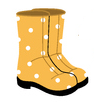
Boots or Booties: A good pair of rubber boots is important for gardening. Crocs are comfy but they can be very messy. Find a pair with good tread either calf or ankle high.


Basic Garden Tool Set: You’ll need a small trowel (shovel), a 3 tier rake and a set of clippers. Find sets online or at the garden center for about $20.

Garden Apron: Usually made from canvas with a rubber backing this will protect your clothes and save you a lot of laundry time.
Wide Brimmed Hat: If you don’t already have one get yourself a hat with a wide brim. And be sure to wear plenty of sunscreen on your neck and ears, even with a hat.

Watering Can or Hose: You need to have a water source close to your garden patch. Depending on the weather you need to water regularly, giving your mature vegetables a good inch of water per week.
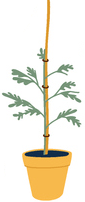
Stakes and Ties: Depending on the vegetables you grow you’ll need to control their direction and support the vegetables as they grow. We’ll go into more detail on social media about staking and trellising your veggies, so stay tuned.
Frames and/or Containers*: Depending on your space you may need to frame your garden, creating a raised bed, to contain your soil and prevent it from washing away with your water.
 gdba
gdba 