

For many of us, checking Facebook, Instagram or TikTok is a part of our daily routine. Seeing posts from friends and family is a great way to feel more connected, especially with loved ones far away. Unfortunately, social media also has a down side. Social media can contribute to negative mental health impacts like anxiety and depression, facilitate cyberbullying, promote unrealistic comparisons to others, spread misinformation and can lead to addiction and harm self-esteem and social well-being.
Social Media’s Affect
Social media can affect our wellbeing by creating an unrealistic view of the world and is hub of misinformation. This can fuel anxiety, depression, loneliness and FOMO (fear or missing out). While most social networks are here to stay changes to oversight and fact checking will likely cause an increase in the spreading of conspiracy theories, fake news and deceptive posts.
If you find yourself, or your loved ones spending more than an hour on social media every day it may be time to re-assess your priorities. Recent studies have shown that social media use increases feelings of inadequacy, anxiety and depression, especially in young adults.
Most users don’t just check on their friends post and read posts from loved ones but spend, sometimes hours scrolling through videos presented to them by the platforms’ algorithms. These algorithms are created to capture and keep the attention of the user for the express reason to keep you engaged. Digital marketing platforms make their money from the number of impressions a post, or ad receives. People like me get paid to keep you scrolling and eventually get you to like, follow, click and maybe purchase something. The truth is not only is this an incredible waste of our precious time but it is, indeed, detrimental to our mental health.
Your Brain on Social
Social media is very addictive because it is created to be so. Feeding you information that supports your world views activates the centers of your brain linked to pleasure. If we post something and our friends, family or followers like it, we get a boost of dopamine. Dopamine is the brain’s primary reward and pleasure neurotransmitter. When released, it signals that there is something important needs to be remembered. This “feel good chemical” can lead to changes in the brain’s neural connectivity making it easier to repeat the same activity over and over again.
On the flip side, if we don’t get that approval, it can impact our self-esteem
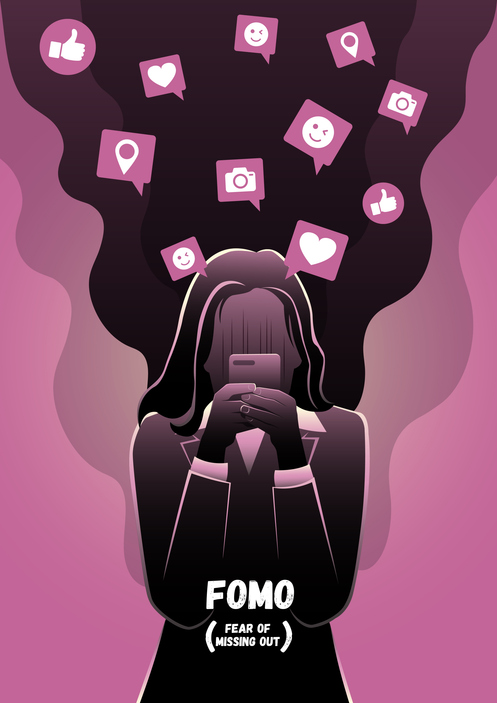
FOMO (Fear of Missing Out).
Social media can increase feelings of FOMO for many. Constantly checking in on your friends, family and those you follow on social media may make you feel that others are having more fun or living better lives than you are. This can increase feelings of dissatisfaction with our own day-to-day life. This can be a trigger for anxiety and impact adequacy and satisfaction with your own life. It can also create the need for users to constantly check social media so that they don’t miss out on what’s happening. The truth is that what you see is often not the truth.
The hidden truth behind the posts.
Social media posts are intended to show the best parts of a user’s life. You won’t see many users posting videos or pictures of themselves when they wake up in the morning, or have a fight with their significant other. Posts are often the “highlight reel” or even the fantasies of the users’ lives. Many spend hours taking just the right photo, curating the very best image captured on their device. In many cases the pictures have been altered through an app or a filter that alters
physical appearance hiding every imperfection. These tricks create false illusions. When constantly exposed to altered images it may lead you to feel self-conscious and maybe even dislike the way you look.
In many cases what you see is not what it appears to be. I have personally seen friends and family members of my own pretending to be something that they are not. This is more common than you might think. Some have claimed that they are purchasing multi-million dollar homes when all they did was video themselves during an open house. I’ve seen a few people fanning themselves with 100 dollar bills when the money is actually fake. Another of my favorites is modeling their designer fashions which are really knock-offs they got for $10 on Temu. The problem is that not everyone viewing these reels understand that, in real life, these people are living paycheck to paycheck or hiding their expensive purchases from their spouse because their credit cards are already maxed out.
Trolls and Cyberbullies
Almost 50% of all internet users in the U.S. said they have experienced some form of online harassment. While some we call trolls get satisfaction out of commenting on other’s posts to justify their own opinions there are much more nefarious users out there. There are some that intentionally harass and make fun of another person online. These are simply bullies. Social media platforms are hotspots for cyberbullying and spreading hurtful rumors, lies, and abuse that can leave lasting emotional scars.
Practicing and Teaching Social Sanity
There are a number of ways you can still enjoy social media and lesson the impact on the mental health of yourself and your loved ones. In 2024 a group of college students gave up their
phones for a week and discovered their focus on studies and other activities increased their happiness quotient ten fold. In some states there are rules not allowing any smart phones during school hours and it is proving to have a positive impact on grades, bullying and the overall well-being of the students. A popular talk show host shared recently that she got off of social media during a family vacation. She found herself being so much happier that she has decided to stay away from it all together. While you might not be ready for a total abandonment I highly recommend that you do a complete digital detox from all personal devices for at least one week every year. If you can’t commit to a whole week start with one day. A great day to choose would be the Global Day of Unplugging on Friday, March 7. From sundown on March 7 to sundown on March 8 people all over the globe unplug from technology and reconnect with the real world.
Here’s how:
- Step away from screens for a set amount of time
- Participate in an in-person activity
- Have a meaningful conversation about their relationship with technology
- Turn off smartphones, computers, personal assistants, gaming systems, and televisions
- Leave their mobile tech at home
- Unfriend, stop following or even block people whose accounts make you feel bad about yourself
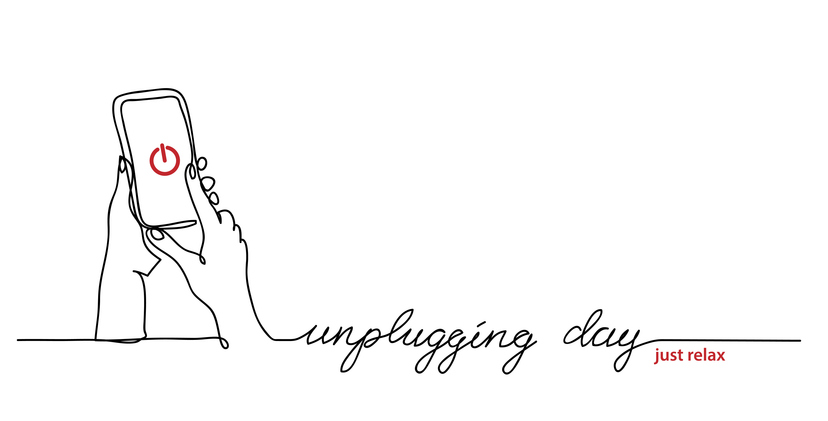
You can have a positive relationship with social media. How you use it is personal to you but do yourself a favor and take a little time to evaluate your social media use and how it may be affecting you, and especially your children. Limiting screen time will improve your reliance on your phone and will positively impact your mental health.
 gdba
gdba 