
Healthy eating and a healthy diet is one that maintains or improves overall health. A healthy diet provides the body with essential nutrition: fluid, macronutrients such as protein, micronutrients such as vitamins, and adequate fiber and food energy.
What constitutes a healthy diet is continually shifting to reflect the evolving understanding of the roles that different foods, essential nutrients, and other food components play in health and disease.
A healthy diet may contain fruits, vegetables, and whole grains, and may include little to no processed food or sweetened beverages. The requirements for a healthy diet can be met from a variety of plant-based and animal-based foods, although a non-plant source of vitamin B12 is needed for those following a vegan diet. Various nutrition guides are published by medical and governmental institutions to educate individuals on what they should be eating to be healthy. A great resource is free to all and we recommend signing up for an account on MyPlate.gov.
Nutrition facts labels are also mandatory in some countries to allow consumers to choose between foods based on the components relevant to health.
Healthy foods are those that provide you with the nutrients you need to sustain your body’s well-being and retain energy. Water, carbohydrates, fat, protein, vitamins, and minerals are the key nutrients that make up a healthy, balanced diet.
A healthy, balanced diet includes:
Vegetables and any subgroup such as beans, peas, starches, and those that are dark green, red or orange in color.
Whole fruits
Whole grains such as quinoa, corn, millet, and brown rice
Limited full-fat dairy
A variety of protein such as lean meats, eggs, nuts, seeds, and soy products
Oils such as olive, flaxseed, canola, and avocado
Only about one-fourth of the population is eating the recommended amounts of fruit, vegetables, dairy, and oils. However, over half of the population are meeting or going beyond the total grains and protein recommendations.
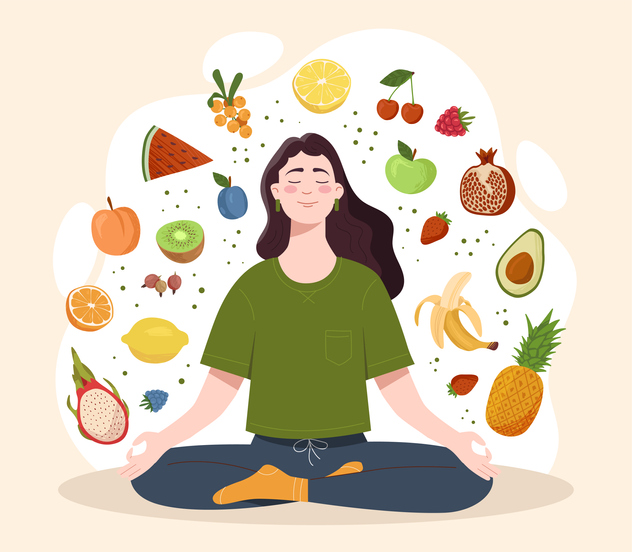
A great way to start eating better today is to think about all of the colors of the rainbow and be sure you eat something of every color every day.
Here’s how and why you should Eat the Rainbow.
RECIPES
An important component of maintaining good nutrition is being able to control the ingredients in your meals and, yes, that means doing more of your own cooking.
We’ll be providing you with easy healthy and delicious meals you can make yourself at home. Save the Recipes page and check back as we add them to the site.
SUPPLEMENTS
Taking a multivitamin appropriate for your age is one way to ensure you are getting the nutrients you need. Consult with your personal physician about their recommendations for a good multivitamin.
If they are not open to that discussion, ask your healthcare company if your benefits include nutritional counseling.
HYDRATION
Drinking enough water is critical to a healthy diet. While there are a lot of recommendations on how much is enough getting 8 glasses (8 oz. each) is still the standard. Remember juices, teas and even coffee contain water and contribute to your daily hydration.
Including a glass of lemon water in your morning habits is a great way to start every day hydrated.
Optimize Your Eating
There’s an easy way to add healthy food and nutrients to your diet and that’s to eat something of every color, every day.
 gdba
gdba 