
Back to school can be a stressful time for both parents and children alike. I’m happy to share these tips from years of working with health and wellness experts to help you and the kids physical and emotional health and get the school year off to a healthy start.
Health Check-up:
To start the school year off right, make sure your child is in good physical and mental health.
School Year Immunizations:
For over a decade all students entering 7th grade and older are required to provide proof of certain immunizations in order for your child to remain in school after their initial 30 days. We recommend contacting your physicians’ office to check on the entire family’s immunization records and ensure you are all up to date with preventive screenings and vaccinations as well as requesting documentation for the school requirement.
Here are the latest requirements for California Shots for School…
Vision exam: As children grow their eyesight can change from year to year. They may not tell you or understand that they are having a hard time reading books, or the blackboard until their learning begins to suffer. Be sure that their physical includes a vision check.
Be prepared: Prepare a list of important health and emergency information the school should have, including allergies, other health conditions such as asthma or ADHD, current medications (if any) and emergency contact information.
Stay Healthy All Year
Health Issues to Watch For
Whether returning to school, heading off to college or just starting pre-school, there are specific health concerns when children are clustered together in classrooms and dorms. The following common, year-round health concerns for school age children:
Head lice: Is your child scratching more than usual? These parasites are very common in schools. They hop from body to body without discrimination. Here’s how to spot and treat a head lice infestation…
COVID colds & flu: School children can be more susceptible to infection because they might encounter germs they’ve never been exposed to before. Your school administrators should be up to date on the latest COVID numbers in your area and provide information on masking and other precautions. You can always check CDC COVID Data Tracker to be safe.
Pinkeye, or conjunctivitis: While most schools will request a child stay home if infected, it’s not always apparent and can be shared from student to student. Pain around the eyes, a watery or pus discharge from the eyes and whites looking pink all can be signs.
Meningitis: This potentially life-threatening illness occurs most often in children, teens and young adults. Vaccination against bacterial meningitis is recommended for adolescents, teens, young adults and immunocompromised people. Learn more about the symptoms of meningitis and immediate actions to take…
Bullying: Watch for signs of stress. It could be concern over learning new subjects, meeting new people or even confrontation with a bully. Let your children know you will listen without judgment. Children may be embarrassed to talk about anxiety, so watch for signs such as:
Clinging, or signs of separation anxiety
Bed or day wetting
Avoiding school activities
Nervous habits such as chewing nails or twirling hair
Bullying can affect people of all ages especially in the age of social media keep this resource handy for you and those you love to Stop Bullying…
Nutrition is Key to Learning
Research has shown that students learn better when they are well nourished. Eating healthy meals has been linked to better alertness, memory, faster information processing and higher grades.
Foods rich in fiber, protein, and healthy fats such as eggs, yogurt, apples and oatmeal keep the body feeling full longer, providing enough energy to focus and stay alert throughout the entire day.
Including a healthy snack and drink for post-school sports practice should be a consideration as well.
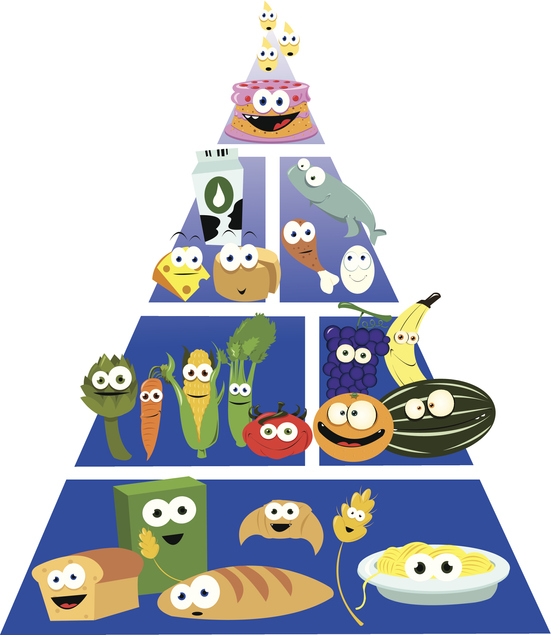
So, how do you find time to pack lunches that are healthy, tasty, and don’t take hours to prepare? The old-fashioned food pyramid is a good thing to keep in mind. The bulk of the meals should include items on the bottom two layers; fiber, whole grains and healthy, whole vegetables and fruits. The remainder of the meal healthy fats and lean protein with an occasional sweet treat. The food pyramid recommendations have changed over the years, but the general idea remains. Learn the new healthy eating recommendations at MyPlate.gov. Another way to ensure your student is getting enough of the nutritional foods that they need is to pack foods from every color of the rainbow. Learn how to Eat the Rainbow…
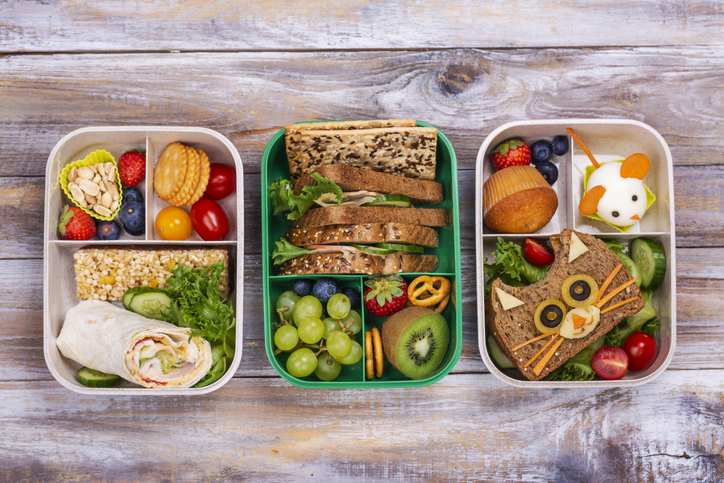
Make packing lunches fun by involving kids in the process. Get BPA free containers easy to pack into a lunch bag and/or backpack.
School Preparation for Parents
First Month of School
Be available to help your child adjust. Kids need some time to adjust at the start of a new school year and you will play a big role. Consider things you can do to help both of you transition.
- Postpone business trips and reschedule meetings
- Make sure your child knows how to reach you during school hours
- Review what to do in an emergency, including who to contact if you are unreachable.
- Arrange play dates and get-togethers with classmates.
Do your Homework
As your child gets into the routine of school, take time to be active in his or her education. Review textbooks and other learning materials available. Familiarize yourself with school professionals. Get to know your child’s teacher(s), the principal, the vice principal, the nurse, the security staff and the after-school program staff.
Research after school programs and consider enrolling your child in one that meets his or her academic or physical activity needs or stimulates his or her creative interests.
Mark your calendar and get involved at school! Note important dates such as “Back to School Night” and other special events. Volunteer to help through the parent-teacher organization, booster club or other organization. Help your child understand that school life and home life are linked and that you know and care what’s going on.
*The information provided is meant to aid in your education on health and wellness. We strongly recommend that you seek the advice of a medical professional for any and all medical and/or psychological ailments.
 gdba
gdba 